The Peculiar Digital Detour: When "Tirage Sort Indian Wells" Leads East
In the vast landscape of online searches, users often expect direct and relevant answers to their queries. However, the digital realm can sometimes present perplexing detours, leading searchers down unexpected paths. Imagine typing in "tirage sort indian wells," a specific term for the draw of one of tennis's most prestigious tournaments, only to find yourself confronted with information pertaining to time zones in Russia. This article delves into this intriguing phenomenon, exploring why a quest for tennis tournament details might, paradoxically, guide you to the heart of Moscow's timekeeping. It's a journey into the nuances of search engine algorithms, keyword interpretation, and the often-unpredictable nature of online information retrieval. The term "tirage sort" is French for "draw," and its association with Indian Wells immediately signals an interest in the tournament's brackets, matchups, and schedule. Tennis enthusiasts eagerly await this information to plan their viewing, place bets, or simply follow their favorite players' paths. The expectation is to land on official tournament sites, sports news portals, or reputable tennis statistics pages. So, what could possibly bridge the gap between the sun-drenched courts of California and the time-telling mechanisms of a nation spanning eleven time zones?The Enigma of the Search Query: What Users *Really* Seek
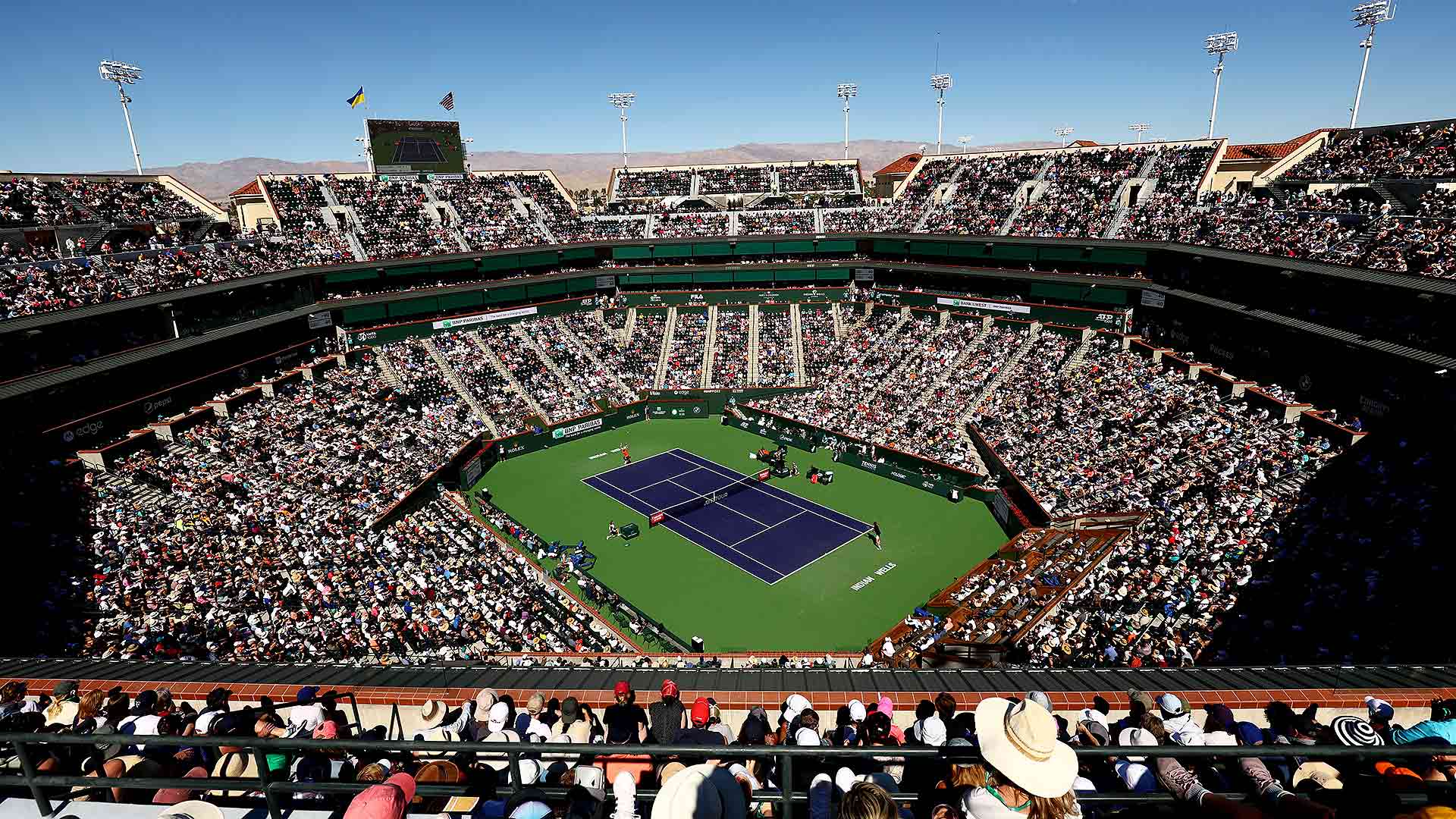
When a tennis fan enters "tirage sort indian wells" into a search engine, their intent is crystal clear. They are seeking the official draw – the detailed breakdown of which players will face each other in the upcoming matches. This information is crucial for understanding the tournament's progression, identifying potential upsets, and tracking player performances. The BNP Paribas Open, commonly known as Indian Wells, is a combined ATP Tour Masters 1000 and WTA 1000 event, making its draw a significant piece of news in the tennis world. Users are typically looking for:- Official Draw Sheets: Printable or interactive brackets showing all matchups.
- Match Schedules: Dates and times for specific rounds.
- Player Seedings: Information on top-ranked players and their positions in the draw.
- Wildcards and Qualifiers: Details about players who earned their spots through special entry or qualifying rounds.
- Analysis and Predictions: Expert opinions on the draw's implications for players.
Decoding the Digital Detour: Why Russia?
The perplexing phenomenon of a tennis draw query leading to information about Russia's time zones is an anomaly that warrants closer examination. While there is no direct, logical link between the Indian Wells tournament draw and Russian time, the occurrence suggests a confluence of factors within search engine algorithms, content indexing, and perhaps even the relative scarcity of *highly authoritative* content for niche, multi-lingual queries. One primary reason for such unexpected results often lies in the interpretation of keywords by search engine algorithms. While advanced algorithms are designed to understand context and intent, they can sometimes make "best guesses" when direct, highly relevant matches are limited or when certain keywords overlap in unexpected ways.Consider the following hypothetical scenarios that could lead to this digital detour:
- Keyword Proximity and Density: If a less common or older article, perhaps on a general sports or travel blog, briefly mentions Indian Wells and, in a completely separate section, discusses international travel or time zones, including Russia, a search engine might pick up on the co-occurrence of these terms. If content directly addressing "tirage sort indian wells" is sparse, even a weak connection might be amplified.
- Semantic Association Gaps: Search engines use vast databases of semantic associations. While "Indian Wells" clearly points to a tennis tournament, the word "Indian" can also trigger associations with India or broader geographical contexts. If a search engine, in its attempt to broaden results due to a lack of direct hits, links "Indian" to global regions, and if "time in Russia" is a frequently searched and highly indexed topic, a peculiar bridge might be formed.
- The "Information Gap" Effect: This is arguably the most compelling explanation. As highlighted in our related article, Understanding the Tirage Sort Indian Wells Information Gap, if there isn't abundant, high-quality, and perfectly optimized content specifically for "tirage sort indian wells," search engines might struggle to provide ideal results. In such a void, the algorithm might default to highly indexed, well-established content that contains *any* of the keywords, even if their primary subject is completely different. Information about "Current Time in Russia," "DST Reminders," or "Time Now in Russia" is foundational, highly indexed, and regularly updated content on many world-time server sites. These pages are robust, authoritative, and have a high trust score. If a search query is ambiguous or lacks strong, direct matches, the algorithm might serve up results from these highly authoritative, though irrelevant, sources.
- Language and Geographic Interpretation: The French term "tirage sort" adds another layer of complexity. While modern search engines are adept at cross-lingual understanding, specific phrases might still be interpreted differently or have fewer directly corresponding highly-ranked results compared to their English equivalents (e.g., "Indian Wells draw"). This might prompt the algorithm to cast a wider net, potentially pulling in content from diverse geographical contexts.
Navigating Irrelevance: Strategies for Better Search Results
Encountering irrelevant search results, whether about Russian time zones or any other unrelated topic, can be frustrating. However, users can employ several strategies to refine their searches and improve the quality of the information they retrieve, especially when dealing with niche or multi-lingual queries like "tirage sort indian wells." Here are some practical tips and actionable advice:- Be More Specific with Keywords: Instead of just "tirage sort indian wells," try "Indian Wells ATP WTA draw," "BNP Paribas Open draw 2024," or "Indian Wells tournament bracket." Adding the year or specific tournament names often helps.
- Specify Language or Region: If searching for a French term, you can sometimes instruct the search engine to prioritize French-language results. Similarly, if you expect content from a specific region (e.g., USA for Indian Wells), some search engines allow for regional filters.
- Use Advanced Search Operators:
- Quotation Marks (""): Enclose exact phrases to search for those exact words in that order. E.g., "tirage sort indian wells" will look for that exact phrase.
- Minus Sign (-): Exclude terms. E.g., "tirage sort indian wells" -Russia -time would exclude results containing "Russia" or "time."
- Site-Specific Search: Use site:official-website.com to limit your search to a specific domain. E.g., site:bnpparibasopen.com "tirage sort".
- Consult Official Sources Directly: For major events like Indian Wells, the official tournament website (e.g., bnpparibasopen.com), or official ATP/WTA sites are the most reliable places for draw information. Bookmarking these sites can save time.
- Verify Information from Multiple Sources: If you do find information, cross-reference it with other reputable sports news outlets or official channels to ensure accuracy, especially before making any decisions based on it.